Archive for July, 2010

Bamboo-zled new spa treatments

Friday, July 30th, 2010

Bamboo can be found in almost every spa nowadays. It is a great, eco-friendly design element. It is resiliently and can grow in almost any climate and fast too – up to three feet in just one day!!

But what you might not know is this staple spa plant can be used in almost any spa treatment. Bamboo particles can be used in exfoliation treatments, and its sap and extracts are super hydrating and can aid in cell regeneration.

In an exfoliation treatment, the bamboo works much like salt but is tremendously softer – making it a perfect treatment to offer people with sensitive skin.

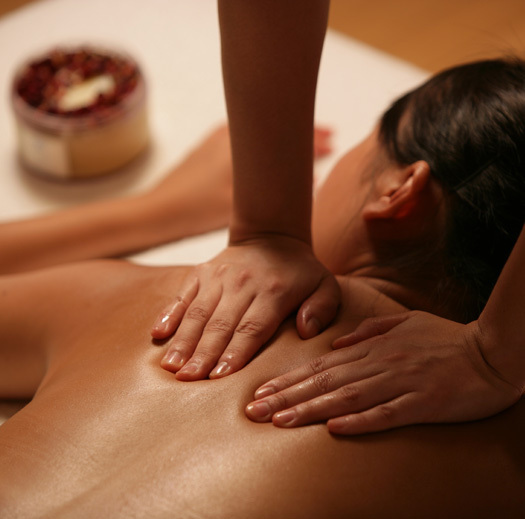
Not only does it have inner beauty benefits, the bamboo sticks can be used as an effective massage tool. Spas that offer this type of treatment combine warm oil infused with essential oils to glide and rub the sticks up and down the body.

Have you tried one of these new treatments? Would you? Let me know what you think………………….

Preparing for holiday 2010 - private labeling

Thursday, July 29th, 2010

There are officially 4 months before Black Friday. Is your retail or spa ready to increase its sales?

Competition in the spa, salon, and beauty products industry is at an all-time high. Day spa signs are sprouting up around us like spring grasses, grocery stores and gift shops have their own little “spa aromatherapy” departments.

It’s becoming increasingly difficult for even large retailers to retain their share of the beauty products market when so many means of access to these goods is now available to their customers.

One thing that continues to prove successful in increasing sales is private labeling. Not only are you providing your customers a unique product, you are creating brand awareness and loyalty by putting your name on that product.

As far as the consumer is concerned the only place to get your brand is from you, whether it be at the retail counter, by mail order, or through your own online store.

Department and grocery chains are dedicating increasingly larger amount of shelf space to house brands in an effort to reduce costs and limit competition. Many even feature “select” or upscale choices within their own lines as a means of eliminating holdover ideas in some customers that house brands are merely generic or of a lower quality than better-known products. The decline of cereal giants like Kellogg is an example of the success of this strategy for retailers.

So are private label products right for your spa business? Only you can answer this question accurately. But if retail profits, customer protection, and building some real brand-equity into your company investment has any meaning for you there are fewer options available that can help you better than this can.

During the month of August, once a week I will have a post about preparing for a successful holiday season this year. So stay tuned and if you have got any great tips, please do share………….

Scandle offers their award-winning body massage candles with private labeling.

Depression linked to dementia - massages can help

Wednesday, July 28th, 2010

Massage therapy, especially when combines with aromatherapy, reduces depression in individuals suffering from the disease. Another reason why massage is not only good for the body but good for the mind.

In a study published this month, researches have linked depression to dementia. People who have serious depression have almost double the risk of developing dementia.

The study did not prove that depression itself literally causes dementia but it does show the numerous ways depression can impact the risk of it. Depression causes inflammation of brain tissue and certain proteins found in the brain increase along with that inflammation. The swelling and proteins increase the risk of developing dementia.

Not only are there medical connections between dementia and depression, the study also points out lifestyle factors in someone who suffers from depression, such as diet, exercise and social time the person engages in. Those can also influence the chance.

Massage therapy should always be performed by a trained professional, but there are several options to help you in between sessions:

Let me know your favorite at-home massage treatment………….

Get involved - Safe Cosmetics Act

Monday, July 26th, 2010

Last week, the Safe Cosmetics Act of 2010 was introduced in the House of Representatives.

If you are in the beauty or personal care industry this bill is extremely important to you. And if you are a consumer of beauty or personal care, if this legislation passes, your favorite natural product may no longer be on the market.

The Indie Beauty Network has put together a wealth of resources and information on how you can get involved. They also a lot better job of explaining the legislation

To access the resources of the IBN you have to be a member. But they have created a new site to inform the public about the potential damage this bill could cause. Click here to access the site.

There is also a petition you can sign to show your support to small beauty/personal care companies. To add your signature, click here.

It is important that we all get involved because the lack of scientific research could potentially cripple small beauty businesses and those are the ones that abide by the rules of truly natural ingredients and formulations.

How are you getting involved? Please share your tips and advice on this……

Natural fragrances from a test tube?

Friday, July 23rd, 2010

A research team at Kansas State has found a way to create natural fragrance products in the lab.

The teams claims to have found a way of engineering enzymes to efficiently catalyze chemical reactions. Those reactions can then be used to create ingredients that replicate the scents of fragrances and perfumed products.

How is the possible – nanoparticles. This new patented method uses enzyme-covered nanoparticles of fumed silica. The researches claim that because those enzymes used in the process are natural and the scent they produce is an exact replica of what is found in nature – it can be thought of as natural.

The reason why this is such a great finding, if it truly is natural, is in the fragrance industry, ways of producing scents that have the same perfume as their natural counterparts in mass quantities devised in a lab use a purely chemical process.

And developing a long-lasting and effective natural fragrances has been a tough task, made even more difficult by the increasingly strict organic certifications.

So what do you think? Is it natural if it comes from the lab?

Beauty hits the floor - new bill in House of Representatives

Thursday, July 22nd, 2010

Yesterday, the Safe Cosmetics Act was introduced into the House of Representatives. The Campaign for Safe Cosmetics is one of the biggest pushers of this bill that will “overhaul the law that allows chemicals linked to cancer, birth defects, or other illnesses in the products we use on our bodies every day.”
While on paper this sounds like a way to flush out the bad beauty perpetrators in the personal care industry, there is much criticism about this bill from the beauty industry.

This new bill, as best as I can decipher, would regulate the cosmetic industry by forcing companies to provide much more information to the FDA about their ingredients, safety data assessments and full company/product details.

The bill would also set up a database for cosmetic ingredients through the FDA. Those ingredients would then be classified into three categories – prohibited, restricted and safe without limits.

Again, all great on paper, right? Well the Personal Care Products Council says not in reality. The PCPC says the Act is ‘not based on credible and established scientific principles.’

In a statement from the PCPC, this new Act would put a huge if not impossible burden on the FDA, creating a regulatory structure for cosmetics that is greater than any other FDA regulated category – including food or drugs.

This bill is long, vaguely defined and full of lengthy, perplexing language. Please check out this other pieces on the legislation and let me know what you think. This is a huge deal for us small beauty businesses………

  • FDA Law Blog
  • The Safe Cosmetics Act of 2010 has been introduced
  • Safe Cosmetics Act 2010
  • Essential U Blog

What’s your verdict?

Sustainable beauty and the Beast

Wednesday, July 21st, 2010

The beauty and personal care product industry has stepped up to the plate when it comes to sustainable packaging and products. But what happens when a company invests potentially millions of dollars into designing sustainable packaging and once that product is finished, it no longer becomes sustainable?
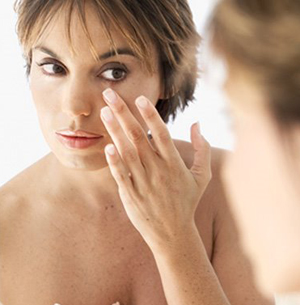
Well this is the next hurdle in the not-so-eco world. The problem is that consumers do not always have an earth-friendly option when it comes to disposing of the recyclable material.

Depending on geographical location, that product that you went out of your way to buy and probably spent a little more money on may not have a recycling facility that will take it.

Not only do recycling regulations and facilities vary from country to country, in the U.S. the regulations vary state to state, county to county and even suburb to city.

If you one of the lucky, this is not your problem. Your city/county has gone out of its way to regulate recycling and provide adequate resources so everyone can play their part.

But if you live in the majority of the country, you packaging might have been sent to the land fill because of plastic pumps or other material that cannot be sorted due to a lack of adequate recycling facilities.

So what now? Well I have heard two reasonable responses:

  • One, companies that provide recyclable packaging should have a way for consumers to return it, once used, so the company can recycle it. Or have an in-store depository so consumers can return used product and packaging.
  • Two, there should be a national recycling program. Recycling facilities need to make adjustments to their rules and regulations and better implement their programs.

You be the judge…which one sounds more viable? Let me know………..

The skinny on skin care

Tuesday, July 20th, 2010

I know I read at least one new study on skin care a week. Every time we turn around they have found the next big thing to fight aging, blemishes, or anything else we don’t like about our skin.

Well this post is not about a new treatment or beauty product, just the facts when it comes to your skin and the care it needs.

Here is the skinny on skin care:

  • The skin is linked to everything else that takes place in your body. All of its function can be affected by things that penetrate your skin.
  • If you have been diagnosed with skin cancer you have double the risk of developing other types of cancer.
  • The sun is responsible for 80% of the effects of aging.
  • Before the age of 18, 70% of the aging process has started
  • Stress is the number 1 cause of free radical damage, aka fine lines, wrinkles, redness, inflammation, breakouts and sagging skin.

While there are thousands, maybe even millions of products you can use to take care of your skin, it is equally important to remember what goes inside the body.

Antioxidants are key to maintaining healthy skin and a healthy body. They also provided stress reduction.

Look for products containing the following:

  • Vitamin A - retinol and retinyl palmitate
  • Vitamins B and E
  • 20% vitamin C serums
  • Minerals - zinc, iron, copper and potassium

And on the inside incorporate these foods that are high in antioxidants:

  • Green and/or red tea
  • Broccoli
  • Sweet potatoes
  • Almonds
  • Cranberries

Whats your key to good skin care and protection?

Nano cosmetics - a new beauty industry?

Monday, July 19th, 2010

Hope y’all had a great weekend and are ready for the work week

Throughout the year I have continuously received or came across articles with head lines about nano compounds and particles in beauty and personal care products.

Well, a new report published this week says these new ingredients are so popular that they could give way to a new personal care category.

Nanotechnology involves the creation of certain compounds that are incredibly small, fewer than 100 nanometers; so small that they are less than one thousandth the width of a human hair.

So what’s the big deal with nano-cosmetics? Well in the beginning of time (beauty research time that is) scientists believed that the skin was impervious to almost all particles. But nano-particles can potentially slip through the skin’s outer layer and interact with the immune system or bloodstream.

Nano-titanium dioxide has become an industry standard in the sun care industry because of its effective protection and anti-aging potential. And now nano-particles have found their way into hair care too.

Three years ago there were only a couple hundred products on the market that listed nano-material as a key ingredient. Currently there are over 1,000 personal care/cosmetic products throughout the world.

But with the new technology comes concerns about its safety. Because nano-particles can penetrate the skin, pressure to discover whether there are any potential health and safety concerns has led to a $15 million pledge by the FDA to issue new regulations.

The concern is that some of the nano chemicals would normally cause irritation in original, large size; but because of their nano size they are able to penetrate the skin without causing irritation. But while you will definitely see results from these treatments, the long term affects of these harsher chemicals are not yet known.

What do you think? Are nano-cosmetics here to stay? Are they safe? Have you tried products that boast about their nano technology?

The heat behind massage candles

Thursday, July 15th, 2010

Massage or Lotion Candles, while not as well known as a typical home candle, have been around for many years. But because of their recent rise in popularity, some myths and misconceptions about this emerging body and spa product has created some debate on their safety.

A massage/lotion candle does not contain the same ingredients as a home candle. Its ingredients can include soy butter or oil, coco butter, shea butter, vitamin E and/or jojoba. No massage candle should ever contain paraffin, which requires a much higher melting point and can burn the skin.

Here are some common misconceptions about lotion/massage candles:

  • They will burn your skin. Massage candles melt at two degrees above your body temperature, which at 100-102 degrees will not burn skin.
  • Massage candles contain candle dyes, which are not skin safe. While there are skin safe candle dyes out there, the majority of massage candles do not contain any dye. If you are concerned, opt for a dye-free massage candle.
  • Fragrance oil used in candles is not skin safe. While the oil used to create the fragrance in a home candle is not skin safe, massage candles use body safe fragrances or essential oils to create the aroma in their candles.
  • The flame from a massage candle will burn you. While this is definitely true, massage candles are meant to be used after the flame is extinguished. No massage candle requires the flame be lit to use.
  • The soy wax that is bought for candle making is not a cosmetic grade of wax. While it is true that soy candles, burnt for aromatherapy purposes and NOT massage, are made from regular soy wax. Any reputable massage candle is made of cosmetic grade, FDA regulated soy wax. All massage candles must meet FDA regulation and list all of the ingredients on their label.

Benefits of cosmetic grade soy massage candles:

  • Contain a complex blend of soy and all natural vegetable oils
  • Do not contain paraffin or other petroleum-based ingredients
  • They burn without releasing harmful toxins into the air
  • After use, the candles quickly cool and resolidify
  • Because of the natural healing properties of cosmetic grade soy, lotion candles can be used as a manicure/pedicure treatment, massage or daily moisturizer

The massage candle is a versatile product that can provide many therapeutic benefits and can add aroma and ambiance to any setting. However, as is such the case with any new and expanding market, there are bound to be companies in existence that do not adhere to regulations in the industry.

We encourage all consumers, spas, and retailers to do your research before making your massage candle purchases. As with any cosmetic product you use on your body, read the ingredient label and always follow the directions and warning labels.